


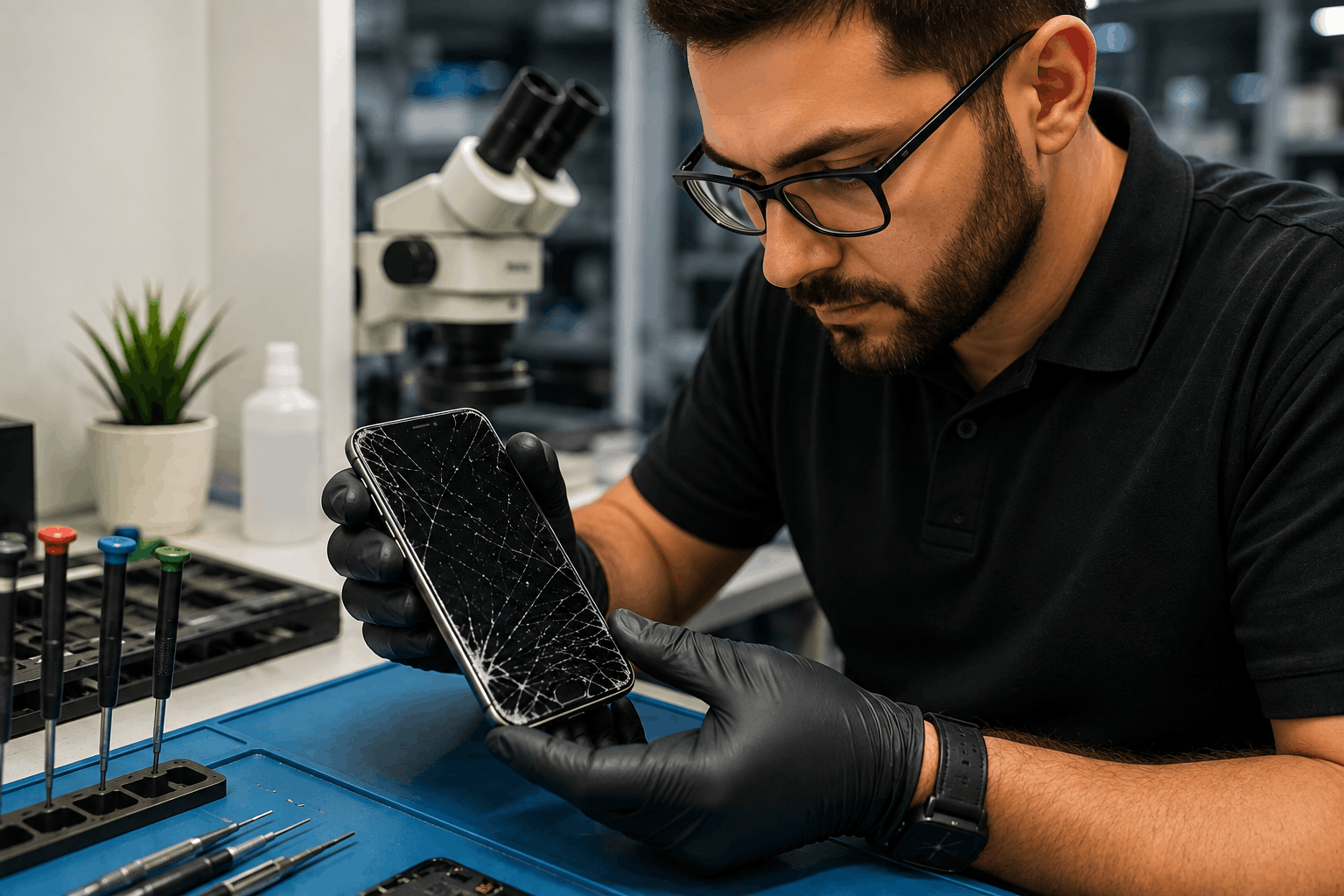
A cracked screen looks bad. But a phone that randomly shuts down might seem fine on the outside. The visible problem does not always tell you how serious the underlying fault is.
Before you pay for a repair, you need to understand something. Is this a straightforward component replacement? Or is it a deeper hardware fault?
At AMT Electronics, we have been repairing phones and other electronics. We know why proper diagnosis matters.
This guide explains what separates a minor repair from a major one, which symptoms need urgent attention, when repair costs can jump and what to check before approving any work.
Whether you need phone repairs in Melbourne or advice on a device issue, understanding the fault is the first step.
Focus: Identifying if a phone needs a basic component swap or a more involved repair.
Key considerations: Symptoms of fault, components affected, internal damage, repair cost and condition of device.
Repair Approach: Consider reaching out to a trusted iPhone repair shop like AMT Electronics to diagnose the actual fault and when what kind of repair you need.
Expert Tip: A visible crack or charging problem may not be the extent of the damage.
Outcome: Better repair decision based on the state of the device instead of solely appearance.
What Makes A Phone Repair Minor Or Major?
A minor repair usually involves one replaceable component. A major repair involves multiple components, internal damage or a fault affecting the phone’s main board.
There is no official industry rule that labels every repair as minor or major. Repairers use these terms as practical descriptions of complexity.
|
Minor Repair |
Major Repair |
|---|---|
|
Screen replacement |
Logic board or motherboard fault |
|
Battery replacement |
Severe liquid damage |
|
Speaker replacement |
Multiple internal component failures |
|
Camera module replacement |
Complex power or charging circuit fault |
|
Some charging port repairs |
Data-related board-level fault |
Here is the thing. The same symptom can come from completely different faults.
What most experts miss: A repair should be classified after diagnosis, not from the symptom alone. “My phone won’t charge” describes a problem, not its cause.
Is A Cracked Screen Always A Minor Repair?
Usually, a screen replacement is straightforward. But a cracked display can hide other problems. The frame might be bent. The touch layer could be damaged. Front sensors, camera systems or internal connectors might have issues.
Before replacing the screen, a technician should check:
- Whether touch response works across the display.
- Whether the frame has been bent.
- Whether Face ID or other biometric functions still operate.
- Whether cameras and sensors work normally.
- Whether the phone shows signs of internal impact damage.
A bent frame can turn a simple screen replacement into a poor long-term solution. Sometimes the chassis condition needs to be considered before the repair proceeds.

When Does A Battery Or Charging Problem Become More Serious?
Battery replacement is usually straightforward. As long as the battery itself is the problem.
Charging faults are trickier. A phone that refuses to charge could have a damaged charging port, debris inside the port, a faulty cable or charger, a worn battery, a damaged charging circuit, or internal damage from liquid or impact.
That is why replacing the charging port immediately can be the wrong first step.
What most experts miss: Charging behaviour gives you useful diagnostic clues. If the phone charges only at a certain angle, gets unusually hot, keeps disconnecting or stops charging after liquid exposure, the technician needs to look beyond the port itself.
For an older phone, consider battery condition, software support, storage capacity and the device’s overall physical state before making a decision.
Which Phone Problems Usually Need A Major Repair?
The more serious repairs are needed when the fault is in the main board of the phone or a number of interconnected systems.
Common warning signs include:
1. The phone is showing a variety of unrelated symptoms
For example, the device may have charging problems, random restarts, camera failure and loss of mobile connectivity after a drop or liquid exposure. Multiple failures may indicate internal damage, not just a failed component that can be replaced.
2. The phone has liquid exposure
Liquid damage can continue to progress after the initial incident. Even if the phone appears to work initially, corrosion can affect connectors and components on the board. Just because a phone turns on after being wet doesn’t mean it’s safe.
3. The phone has power or board-level faults
If a device won’t power up, reboots constantly, or seems to be missing some key functions, then it may need a deeper level of diagnostic work.
Such repairs may involve specialist board level assessment rather than simply replacing the part.
How Can You Tell If Repairing The Phone Is Worth It?
The cheapest fix isn’t always the best decision. Compare the repair to your phone’s age, condition and expected future use.
|
What should you check? |
Why does it matter? |
|---|---|
|
How old is the cell phone? |
Older hardware may have less useful life remaining. |
|
What else doesn’t work? |
Multiple repairs can quickly change the overall repair economics. |
|
Is the battery already low? |
If you already have a battery issue, combining it with a screen repair may make sense. |
|
Is your data valuable? |
Data preservation may become more important than the hardware fault itself. |
|
Is the device under coverage? |
Your repair options may depend on the warranty or AppleCare status. |
If you have an Apple device, check your coverage before you schedule service. Apple Authorised Service Providers can perform certified repairs covered by Apple Limited Warranty or AppleCare plans.
If you are buying a replacement instead, check repairability too. The condition of pre-owned iPhones or pre-owned Samsung mobiles can vary a lot. Check battery health, charging behaviour and physical condition before you buy.
What Should You Check Before Approving A Phone Repair?
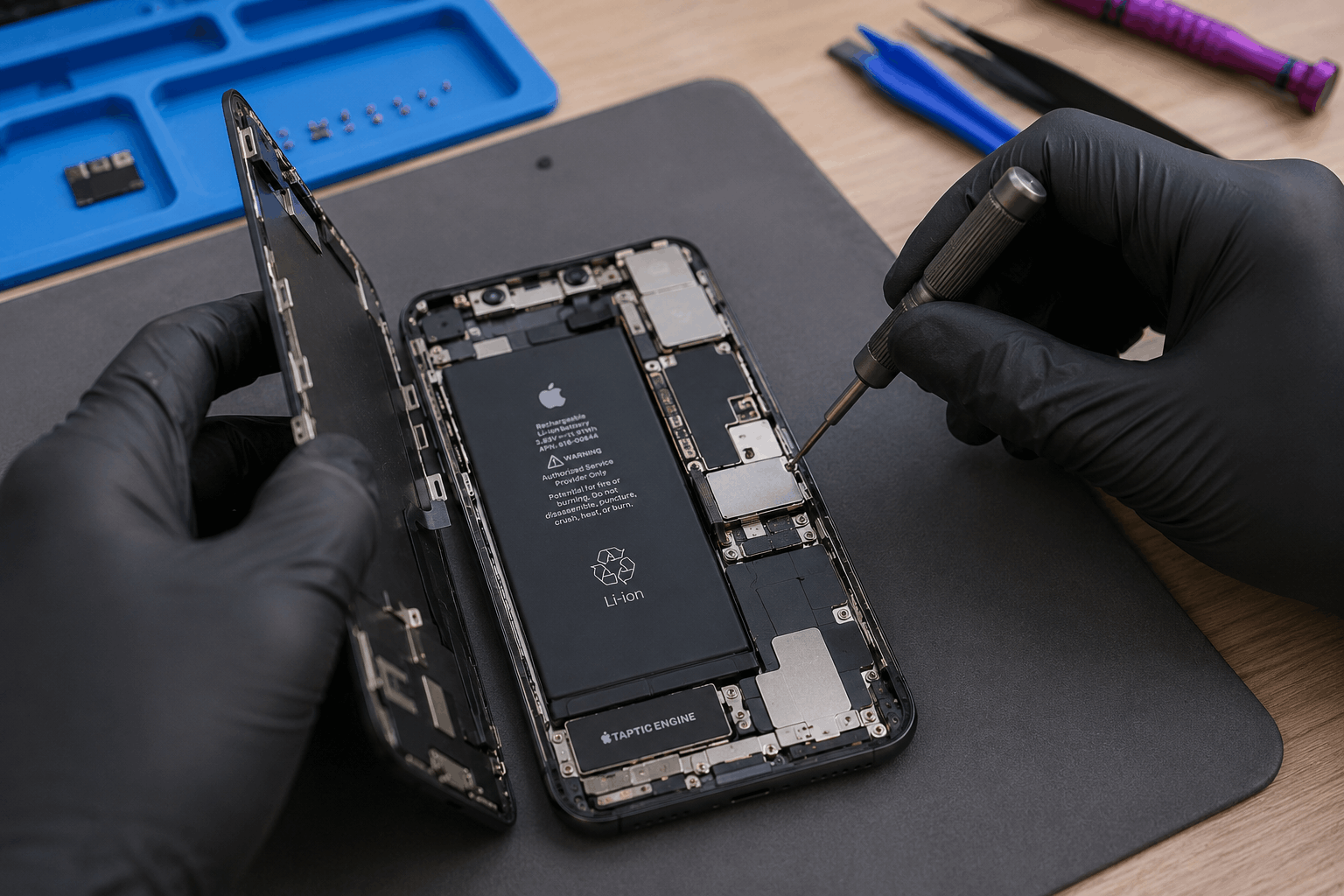
Ask what has actually been diagnosed. Do not rely on a symptom-based quote.
A useful repair conversation should cover:
- The suspected failed component.
- Whether other components were tested.
- Whether liquid or impact damage is present.
- Whether the repair affects any existing functions.
- What parts will be used.
- What warranty applies to the repair.
- What happens if the initial repair does not fix the fault.
This approach is especially useful when choosing an iPhone repairs shop or an independent repairer.
If you use a tablet as well, the same diagnostic principles apply to a tablet repair service in CBD. The visible fault is only one part of the assessment.
What Is The Biggest Mistake People Make With Phone Repairs?
The biggest mistake is approving a part replacement before understanding the cause of the fault.
A screen might be cracked because of a drop that also damaged the frame. A charging port might appear faulty when the actual problem is somewhere else. A phone that stopped working after liquid exposure could have several affected areas.
A proper diagnosis separates the obvious symptom from the underlying fault. It also prevents unnecessary replacement of parts that were working correctly.
The same applies to devices that store customer records, payment information or operational data for businesses. A repair decision should take into account data protection, downtime and hardware cost.
What About Apple Products Repairs?
For apple products repairs, the same diagnostic principles apply. Whether it is an iPhone, iPad or Mac, the visible problem does not always tell the full story.
Apple’s own guidance recommends checking coverage before arranging service. Apple Authorised Service Providers can perform certified repairs covered by warranty or AppleCare plans. But even with coverage, a proper diagnosis helps you understand what is actually wrong with your device.
Conclusion
Major and minor phone repairs are best separated by the complexity and location of the fault, not by how damaged the phone looks. A screen or battery replacement may be straightforward. Charging, power, liquid and board-level faults need deeper assessment.
With decades of electronics repair experience, AMT Electronics can assess the problem and explain your practical repair options. If your device is showing unusual symptoms, contact our team before approving a repair. Make your decision based on the actual condition of your phone.
FAQs
Can a minor phone repair become a major repair?
Yes. A fault that initially appears simple can reveal additional damage during diagnosis. A cracked screen, for example, may be accompanied by frame damage or internal connector problems. Liquid exposure can also affect several components, increasing repair complexity.
Should I repair an old phone if the screen is damaged?
It is contingent upon the general condition of the phone. Take into account the age, battery health, storage, software support and any faults. If a number of components are already failing, compare the total cost of repair with the cost of replacing the device.
Is water damage always a major phone repair?
No. The seriousness depends on where the liquid got in, how long it stayed there and what parts were affected. But early evaluation is warranted for liquid exposure because corrosion may continue to affect internal parts after the initial exposure.
Can a repair shop tell me the exact fault before opening my phone?
External testing sometimes can identify the probable cause but internal faults may need additional inspection. A good repairer should advise what has been tested and explain the difference between a confirmed fault and preliminary diagnosis.